Drones
Drone Flight Controllers Compared: Pixhawk, Companion Computers and FPV Boards
How to choose a flight controller for mapping drones, robotics and FPV — redundancy, ports and companion computers.
· 3 min read
Key takeaways
- Pixhawk boards run PX4 and ArduPilot for autonomous missions.
- Companion computers add AI vision and on-board decision making.
- Fixed-wing and VTOL builds need wing-specific controllers.
- NDAA-compliant hardware is often required for government work.
Autopilot-class controllers
For mapping, inspection and delivery, an open-standard autopilot with redundant IMUs is the safe choice. It supports waypoint missions, geofencing and failsafes.
Adding AI with a companion computer
Pairing the autopilot with an NVIDIA Jetson lets the drone run object detection, tracking and obstacle avoidance on board — no cloud link needed.
Raspberry Pi as a lighter companion
If you need telemetry, logging or simple vision rather than heavy AI, a Raspberry Pi compute-module baseboard is a lighter, cheaper option.
Fixed-wing and VTOL
Planes and VTOL aircraft need controllers tuned for control surfaces and airspeed sensors, often with NDAA compliance.
Frequently asked questions
Products mentioned in this article


Keep reading
Electronics
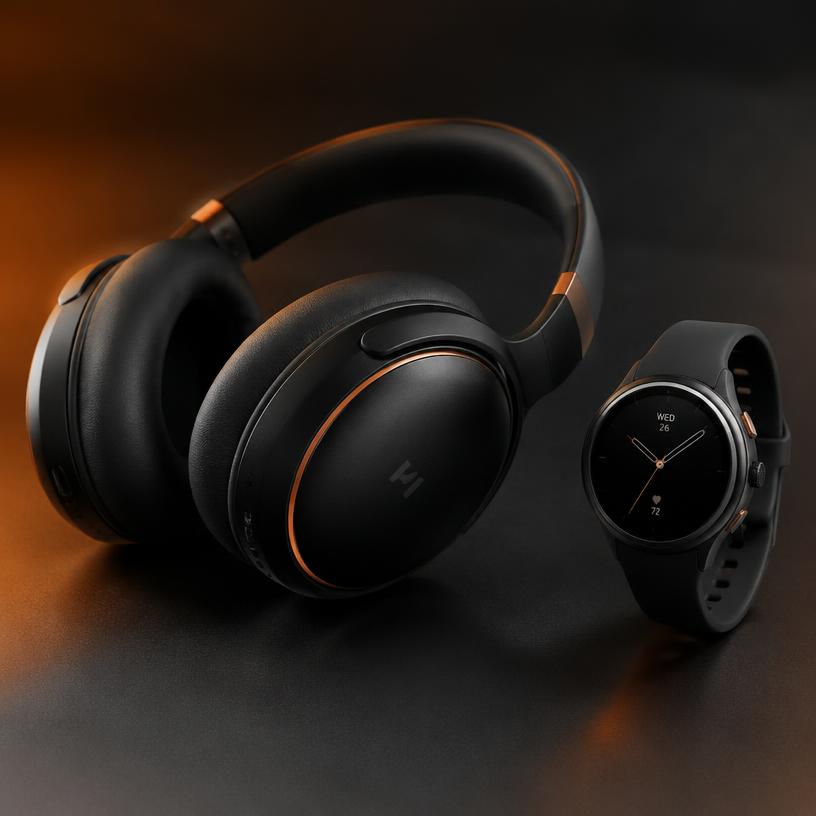
Noise-Cancelling Headphones Buying Guide: What Actually Matters
Hybrid ANC, codecs, battery life and multipoint explained — how to pick wireless noise-cancelling headphones without overpaying.
7 min read
Components
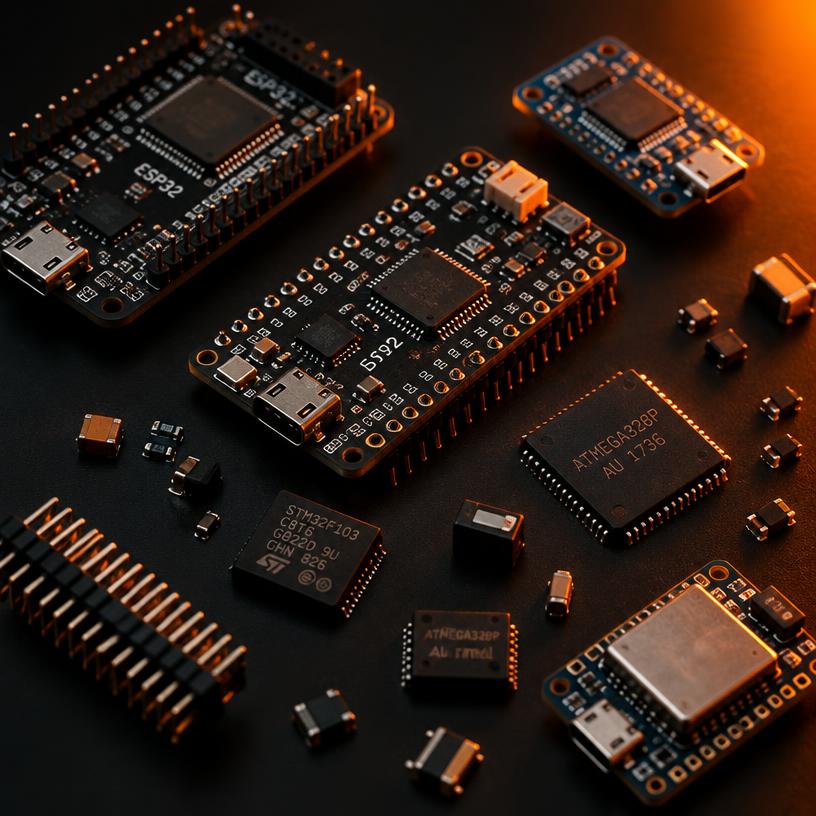
ESP32-S3 vs STM32: Which Microcontroller Should You Use?
A practical comparison of ESP32-S3 and STM32F411 boards for IoT, robotics and maker projects — connectivity, power, tooling and price.
9 min read
Carbon Fiber & Materials
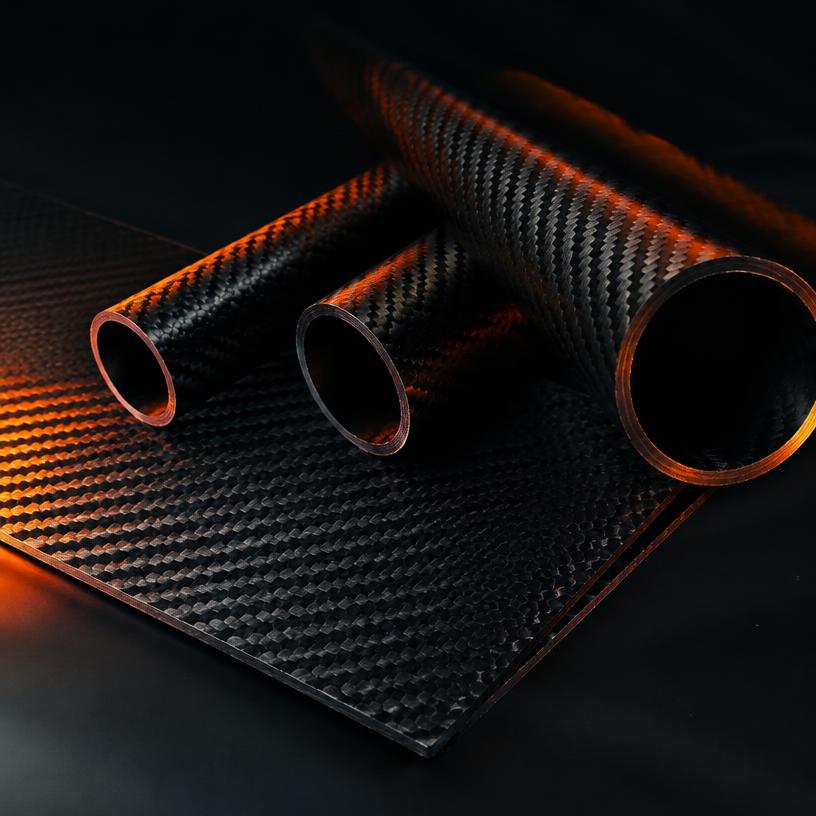
Carbon Fiber Sheets Explained: 3K Twill, Thickness and CNC Tips
What 3K twill means, how to choose carbon fiber sheet thickness, and how to cut and drill carbon fiber safely for drones, RC and builds.
8 min read