Electronics
GaN Chargers Explained: Smaller, Cooler, Faster Charging
What gallium nitride (GaN) chargers are, how USB-C Power Delivery 3.1 works, and how one 140W charger can replace a drawer of bricks.
· 5 min read
Key takeaways
- GaN transistors switch faster and waste less energy than silicon.
- That means smaller chargers that run cooler.
- USB-C PD 3.1 supports up to 140W+ for laptops.
- A multi-port charger shares power intelligently between devices.
What is GaN?
Gallium nitride is a semiconductor that can switch at higher frequencies with lower losses than silicon. Higher frequencies allow smaller transformers and capacitors, so the whole charger shrinks.
USB-C Power Delivery basics
USB-C PD lets the charger and device negotiate the right voltage. PD 3.1 adds higher voltage levels so a single cable can charge powerful laptops.
- Phones: 20–45W
- Tablets: 30–45W
- Ultrabooks: 65W
- Performance laptops: 100–140W
One charger for everything
A 4-port 140W GaN charger can power a laptop, tablet and two phones from one wall socket — ideal for travel and tidy desks.
Pro tip: Use e-marked USB-C cables rated for 100W+ when charging laptops.
Frequently asked questions
Products mentioned in this article

Keep reading

Electronics
Noise-Cancelling Headphones Buying Guide: What Actually Matters
Hybrid ANC, codecs, battery life and multipoint explained — how to pick wireless noise-cancelling headphones without overpaying.
7 min read
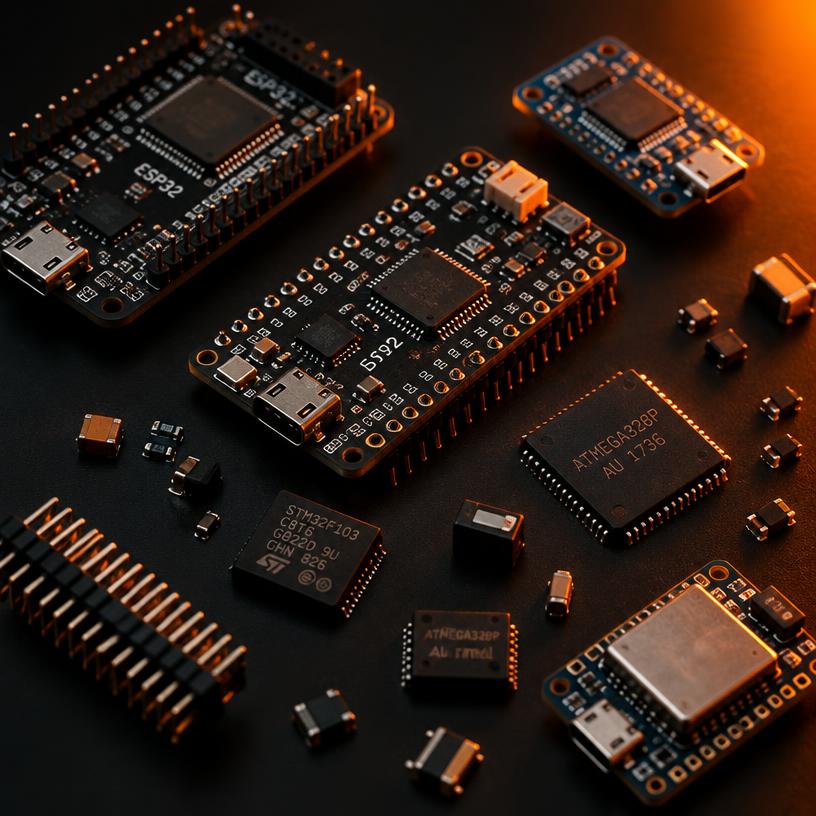
Components
ESP32-S3 vs STM32: Which Microcontroller Should You Use?
A practical comparison of ESP32-S3 and STM32F411 boards for IoT, robotics and maker projects — connectivity, power, tooling and price.
9 min read

Carbon Fiber & Materials
Carbon Fiber Sheets Explained: 3K Twill, Thickness and CNC Tips
What 3K twill means, how to choose carbon fiber sheet thickness, and how to cut and drill carbon fiber safely for drones, RC and builds.
8 min read