Components
PWM Motor Control Basics for Makers
How pulse-width modulation controls speed for motors and LEDs.
· 3 min read
Key takeaways
- PWM switches power on and off rapidly.
- Duty cycle sets average power.
- Motors need a driver — never connect directly to the MCU.
What PWM is
By switching quickly, the average voltage is set by how long the signal is on.
Hardware timers
STM32 timers generate precise, jitter-free PWM on many channels.
Motor drivers
Use an H-bridge or ESC between the microcontroller and the motor.
Pro tip: Add a flyback diode or use a driver with built-in protection.
Frequently asked questions
Products mentioned in this article
Keep reading
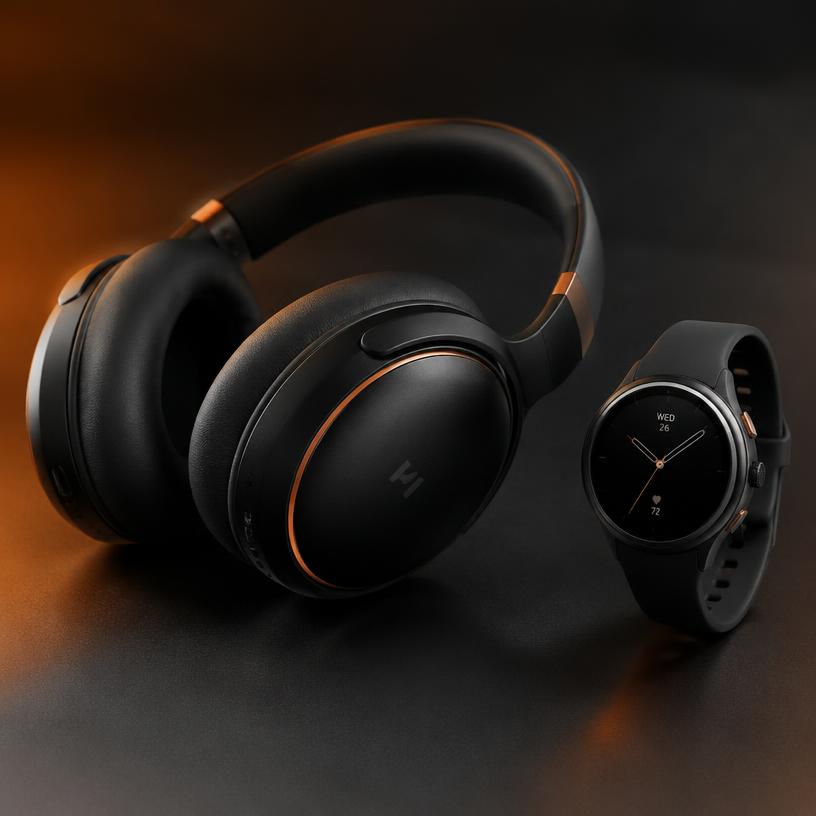
Electronics
Noise-Cancelling Headphones Buying Guide: What Actually Matters
Hybrid ANC, codecs, battery life and multipoint explained — how to pick wireless noise-cancelling headphones without overpaying.
7 min read
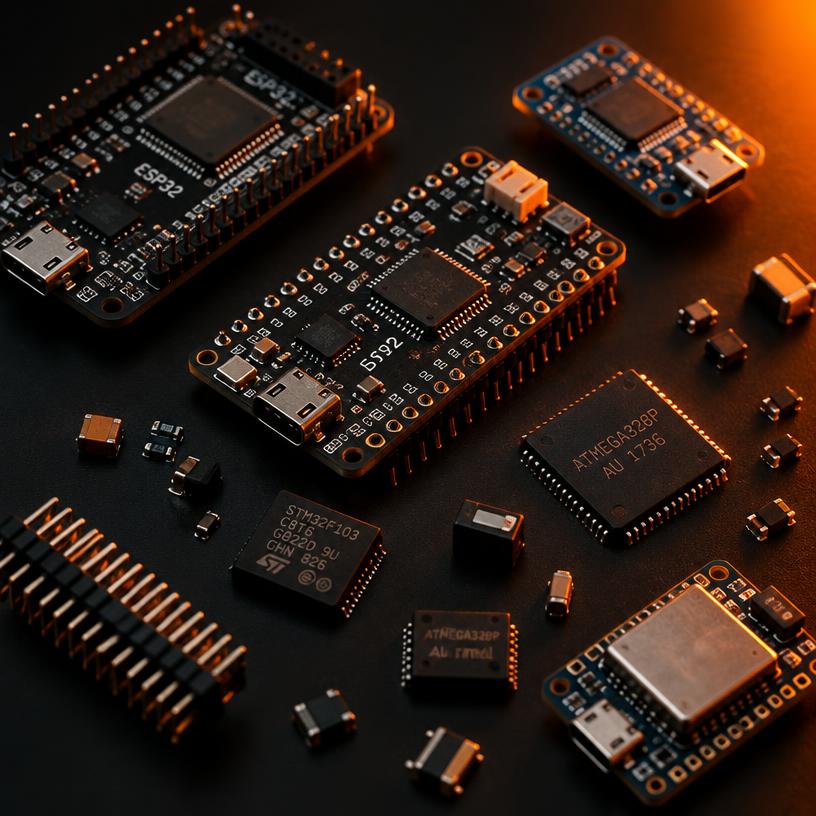
Components
ESP32-S3 vs STM32: Which Microcontroller Should You Use?
A practical comparison of ESP32-S3 and STM32F411 boards for IoT, robotics and maker projects — connectivity, power, tooling and price.
9 min read
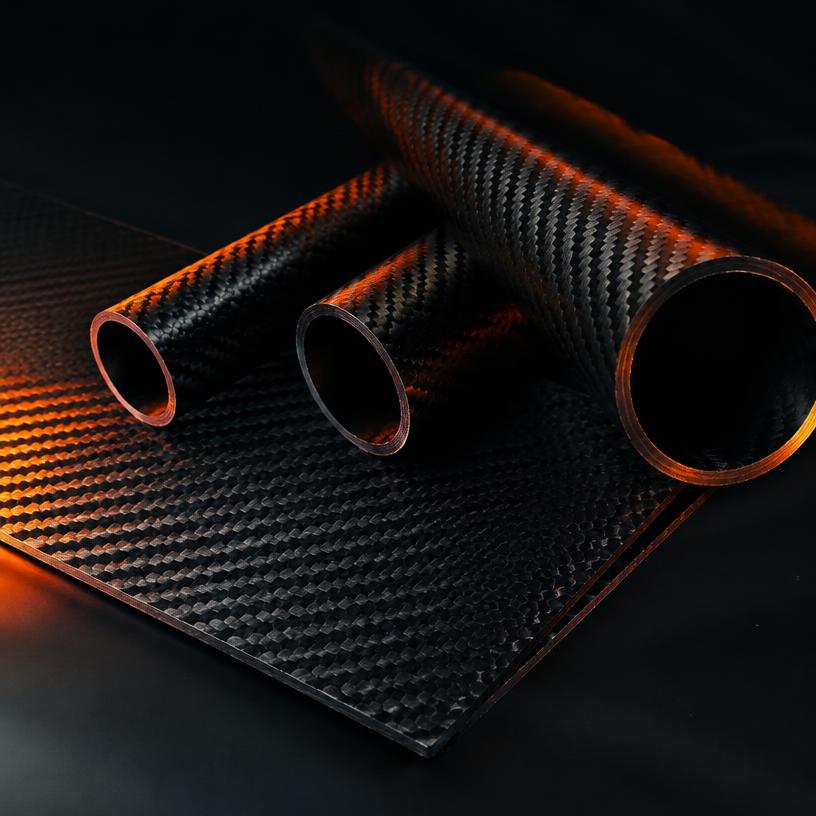
Carbon Fiber & Materials
Carbon Fiber Sheets Explained: 3K Twill, Thickness and CNC Tips
What 3K twill means, how to choose carbon fiber sheet thickness, and how to cut and drill carbon fiber safely for drones, RC and builds.
8 min read